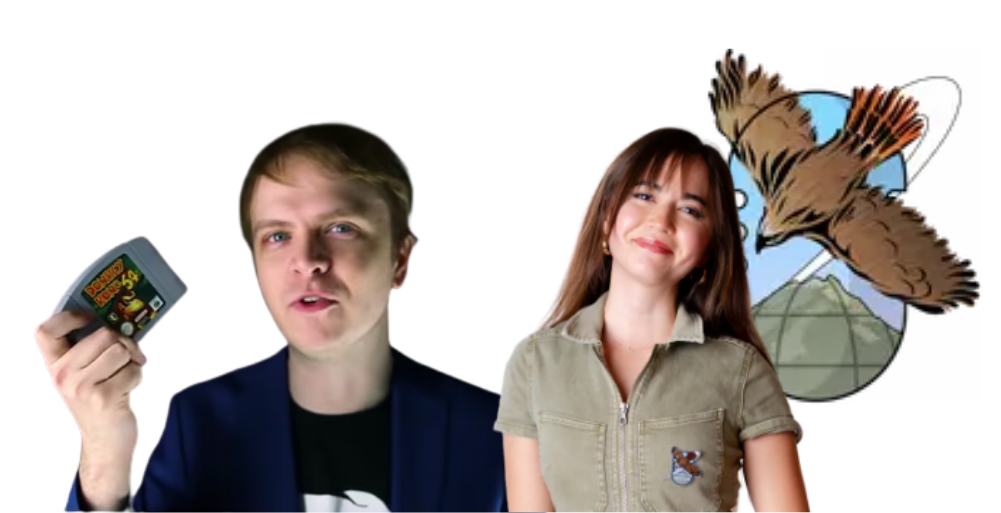
On Jan. 18, 2019, a YouTuber and Twitch streamer known as “hbomberguy” began streaming the game “Donkey Kong 64”. But this was different from other streams going live on the platform. Hbomberguy proceeded to spend the next 57 hours streaming Donkey Kong 64 while advocating for people to donate money to Mermaids, a charity based in the United Kingdom focused on giving aid to transgender youth. The stream ended up raising over $340,000.
This genre of “Charity LiveStream”, where a streamer goes live for an extended duration while advocating for people to donate to a charity of choice, has been around for years and was incredibly pervasive in the 2010’s. This has been the state of internet activism for a while now: mostly large creators using their platform to direct attention to third party organizations who actively attempt to make the world a better place. Although the work of streamers like hbomberguy is important and necessary, a few organizations have taken internet activism to the next level by using platforms like YouTube and Twitch as their sole method of outreach.
Alveus Sanctuary is a notable example of an organization that has flipped the script. Alveus is a star example of this new form of fully-online internet activism, as it accomplishes real tangible work while reaching more people and lowering the barrier of entry for participation by being more cost-effective and accessible than traditional forms of activism.
Founded by Maya Higa in 2021, Alveus Sanctuary is a non-profit organization that, as stated on their website, “functions as a wildlife sanctuary and as a virtual education center facility to provide permanent homes to non-releasable animal ambassadors”. Alveus operates solely on Twitch, meaning that the public is not able to physically visit the sanctuary. But it also means that they are able to educate a much wider audience than they would if they were to shut off the cameras and open the doors to the local public. At time of press, the Alveus Twitch is currently sitting at 322,000 followers with Maya Higa’s personal Twitch presently sitting at 926,000 followers. For reference, the much larger Kansas City Zoo reports they see 925,000 visitors every year.
Along with education and outreach, Alveus is also committed to doing real conservation work. Many of the animals at the sanctuary are either rescued or rehabilitated and given a new chance at life in a sanctuary where they are well taken care of by a team of trained staff. The sanctuary also just recently announced that they will be launching the Alveus Research and Recovery Institute, committed to breeding endangered species for release into the wild.
Maya says that Twitch has an “untapped potential for good” and I absolutely agree with that. I think the internet gives such a unique ability to do good. Obviously, you can reach a much larger and more diverse audience without being limited by your locale. Anyone can view your content from anywhere in the world. They can also do so for free. Tickets to the aforementioned Kansas City Zoo costs up to $22 per person, plus travel costs. But to visit Alveus, all you need is an internet connection. The internet as a whole excels at removing barriers to education.
Back in September, Ironmouse, a fellow streamer, visited Alveus Sanctuary. Ironmouse was diagnosed with a severe immune disorder and a lung infection, causing her to be entirely bedridden. She has spoken about how the internet is able to connect people through a screen without risking their safety. Thousands of people struggle with similar problems that leave them bedridden or secluded in their homes. Places like Alveus Sanctuary allow them to have the same experience they would have at a public zoo like the Kansas City Zoo but in the comfort and safety of their own homes.
Though a lot of activism through the internet can be performative, the internet also has such a unique capacity for real good that absolutely needs to be tapped into.