The Federal Government officially shut down on Oct. 1 due to a federal budget being postponed from passing on time. Because of this, all non-essential funding has been paused. Government shutdowns occur when the federal government cannot agree on a budget for the new fiscal year, which ended on Sept. 30.
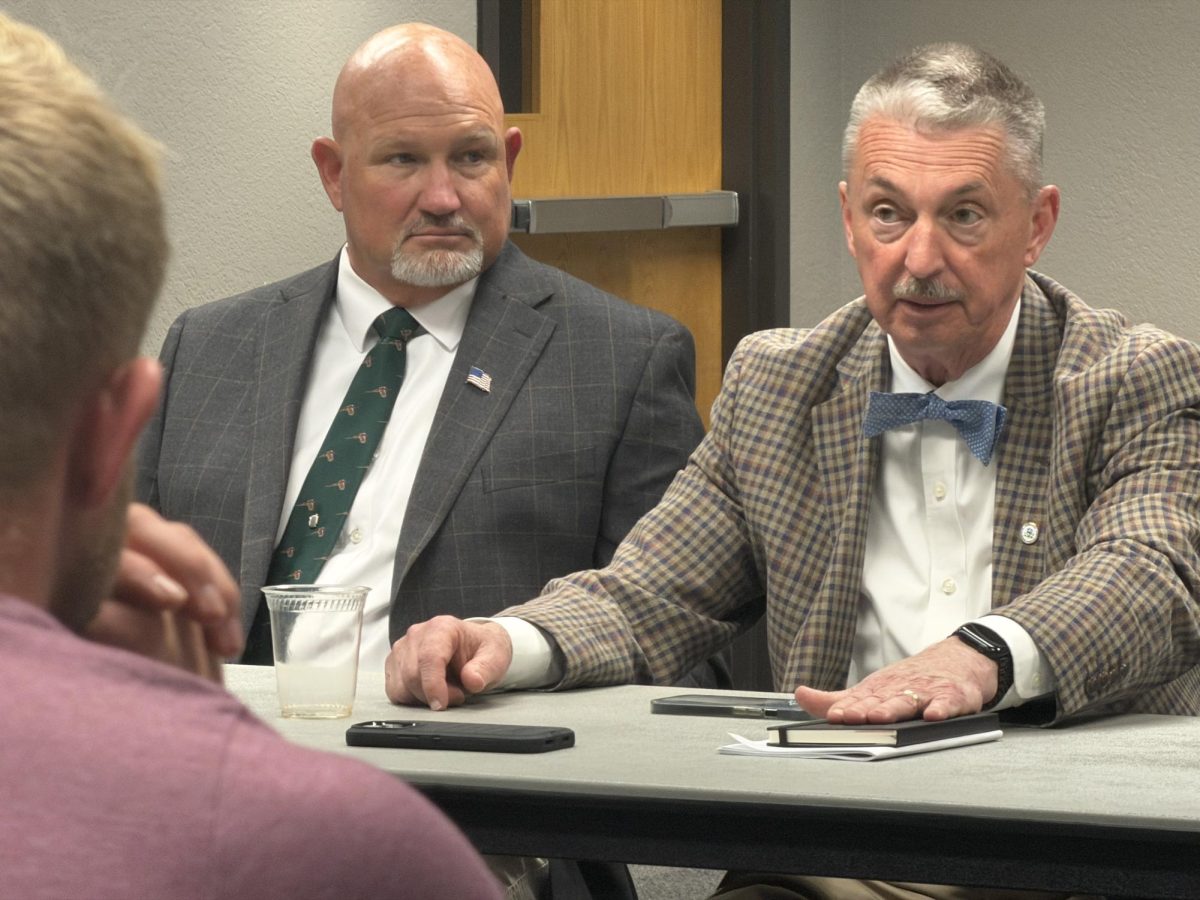
“UCM is not directly impacted yet, but there are areas where the shutdown could impact students. Professors who have federal grants to fund their research might be impacted,” said Greg Streich, professor of political science and Chair of the Department of Government, Law and International Affairs.
According to Streich, while negotiating a longer budget agreement, Congress will enact “continuing resolutions” to keep the government running by extending current funding for a brief period of time. Democrats in the House and Senate are proposing to use the shutdown to extend the federal subsidy and health care premium tax credits for certain Obamacare beneficiaries, which are set to expire at the end of December. Democrats state that millions of American families will face higher health care costs if these subsidies and tax credits expire, potentially leaving many without insurance. Republicans have said they would look into ways to keep these subsidies in place but reopening the government requires a vote by Democrats first.
“This is a partial government shutdown, meaning many federal programs and employees are still operating,” Streich said.
For students, FAFSA applications are being processed but they might be slow to respond to any questions. Student loans are still being dispersed. However, if the shutdown continues long enough, that could change.
“The department of education has let go 85% of their staffing due to them being deemed non-essential. Therefore, financial aid administrators might see a delay in financial aid processing,” said Tony Lubbers, Director of Student Financial Assistance.
UCM has a large number of active military and veterans that are students, and there could be delays with GI bill funding or tuition assistance administered by the Department of War, formerly known as the Department of Defense.
“Military families at the Whiteman Air Force Base will be affected; both active duty and civilian personnel might have missed or delayed paychecks, which would create a ripple effect on the local economy,” Streich said.
The last government shutdown occurred in 2018 and lasted 35 days. That shutdown became the longest one in US history and cost the US economy an estimated $11 billion in lost wages and reduced spending by the federal workers who were impacted by the shutdown, based on an analysis by the Congressional Budget Office. According to David Pearce, Executive Director of Governmental Relations at UCM, as the federal shutdown drags on, there will be increased pressure and scrutiny to pass a budget and reopen the federal government.
“Most university functions will continue during the government shutdown. Most of the federal support to higher education is in the form of financial aid, and that is initiated by the student and not the university. There are some federal grants the university receives but that support should not be interrupted,” Pearce said.
For those who would like to contact the federal delegation to share their views on passing a budget and ending the government shutdown, they can contact their local member of Congress, Mark Alford of the fourth congressional district, by calling, writing or emailing to express concerns.